The 83rd Venice Film Festival runs from 2 to 12 September 2026 on the Lido, directed by Alberto Barbera and produced by La Biennale di Venezia. Unlike Cannes, it is open to the public: anyone can buy a ticket online, with no accreditation. This guide covers what a seat actually costs, which room to book, and how to get back to the centre afterwards.
What the Mostra actually is
The Mostra Internazionale d’Arte Cinematografica is the oldest film festival in the world. It was founded in 1932, which makes it eleven years older than Cannes and twenty years older than Berlin, and it has run on the Lido di Venezia, the long sandbar between the lagoon and the Adriatic, for almost its entire history.
It is the cinema department of La Biennale di Venezia. That institutional detail matters more than it sounds, because it is the source of most of the confusion travellers arrive with: the Biennale runs six departments (art, architecture, cinema, dance, music, theatre), and the Film Festival is one of them, on its own annual calendar in early September. The Art Biennale, covered in our Venice Biennale guide, is a different event at different venues over seven months.
The 2026 edition is competitive across five juries: the main Venezia 83 competition, Orizzonti, the Luigi De Laurentiis award for a first film, Venice Immersive, and Venezia Classici. The rest of the official selection runs through Venice Open (out of competition), Venezia Spotlight, and Biennale College Cinema. Two further sections, the International Film Critics’ Week and the Giornate degli Autori, are programmed autonomously and sell their own tickets.
The Golden Lion is announced at the awards ceremony on Saturday 12 September.
Yes, the public can attend
This is the single most useful thing to know about Venice, and the thing that separates it from Cannes. The Mostra sells public seats at almost every screening, including the competition premieres in the Sala Grande. You do not need press credentials, an industry badge, or an invitation.
The mechanics, as of the 2026 edition:
- Tickets are sold online only, through the Biennale’s own box office. There is no walk-up window selling same-day seats at the venue.
- Sales open in mid-August, roughly two weeks before the festival.
- Public seats sit alongside accredited seats in the same rooms, released per screening.
- Popular titles do sell out. The competition premieres go first, the archival Venezia Classici screenings almost never do.
The practical consequence: the festival rewards planning by about ten days, and punishes arriving on the Lido hoping to buy a seat.
What a ticket costs
Pricing is set per room and per time slot, not per film, which is unusual and which nobody explains clearly. A ticket to the same film can cost €50 or €15 depending on when and where you see it.
| Room | Slot | Full | Reduced |
|---|---|---|---|
| Sala Grande | 15:00 | €18 | €15 |
| Sala Grande | 17:00 | €25 | €20 |
| Sala Grande | 19:30 | €50 | €40 |
| Sala Grande | 22:00 | €40 | €30 |
| Sala Grande | 24:00 | €20 | €15 |
| PalaBiennale | 13:00, 15:00, 18:00, 20:00 | €15 | €12 |
| PalaBiennale | 22:30 | €12 | €10 |
| Darsena, Giardino, Casinò, Perla | various | €15 | €12 |
| Corinto, Astra 1, Astra 2, Volpi | various | €10 | €7 |
The 19:30 Sala Grande slot is the red-carpet premiere, which is what the €50 buys: the same room, the same night, with the film’s cast walking in. The 24:00 screening in the same room, often of the same film, costs €20.
That asymmetry is the best-value observation in this article. If the point of the trip is to see the films, book the late Sala Grande slots and the €10 rooms. If the point is to be in the room when a Golden Lion contender premieres, the €50 is what it costs.
Passes covering a specific room and time band across the whole festival run from €50 to €1,600. For a stay of four days or more with two films a day, the arithmetic usually favours the pass.
The ten screening rooms
The festival runs on ten rooms, all on the Lido, most within a ten-minute walk of each other along the Lungomare Marconi:
Sala Grande. The main house, inside the Palazzo del Cinema. Competition premieres, the red carpet, the awards ceremony.
PalaBiennale. The large temporary structure, roughly 1,700 seats. The overflow house for premieres and the room where the public sees most of the big titles.
Sala Darsena. The second main room in the Palazzo del Cinema, used heavily for the competition.
Sala Giardino, Sala Casinò, Sala Perla. Mid-size rooms in and around the former Casinò building. Orizzonti, Spotlight, and out-of-competition work.
Sala Corinto, Sala Volpi, Sala Astra 1, Sala Astra 2. The small rooms, €10 a seat, where the Classici restorations, the College films, and the second screenings play. These are where a festival regular actually spends the week.
Getting to the Lido, and getting back
The Lido is a vaporetto ride, not a walk. There is no bridge from the historic centre.
Getting there. Line 1 runs from San Zaccaria to Lido S.M.E. in about 20 minutes, and takes 60 minutes end to end from Piazzale Roma. Line 5.2 does San Marco to the Lido in about 15. Lines 14 and 5.1 also serve the island. Standard ACTV fares and passes apply: the festival adds no surcharge, and a multi-day pass pays for itself immediately if you are crossing twice a day.
Getting back, which is the part people get wrong. The daytime lines finish around midnight. A 22:00 screening in the Sala Grande lets out near the end of that window; a 24:00 screening ends at roughly 02:00, long after.
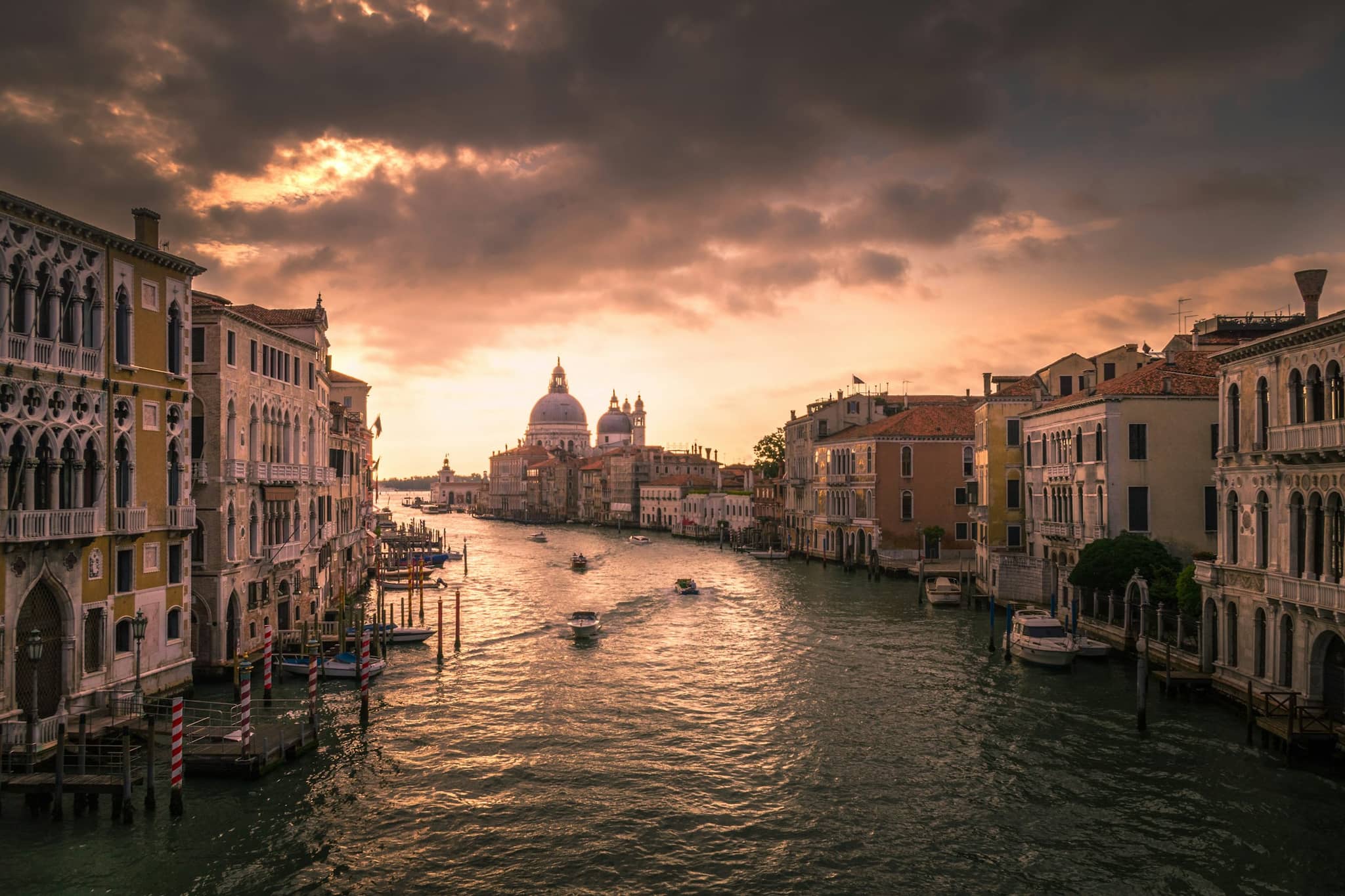
The answer is the N line, the night vaporetto. It runs between the Lido and Piazzale Roma through the Grand Canal roughly every 30 minutes from 23:30 to 04:30, at the standard fare, stopping at the main Grand Canal docks along the way. It exists year-round and most visitors never learn about it.
This is why the €20 midnight slot is viable, and why staying in the historic centre during the festival is a reasonable plan rather than a logistical mistake.
Where to stay during the festival
The instinct is to stay on the Lido, next to the venues. For most people that is the wrong call.
The Lido is a residential island with cars, a beach culture, and a hotel stock that raises prices sharply for these eleven days. It is quiet in a way that is pleasant in July and slightly dull in September once the last screening has finished. You are also 20 minutes of water from Venice itself, which is presumably part of why you came.
Staying in the historic centre and commuting to the Lido inverts the problem: the festival becomes something you travel to for the day and the evening, and the city is what you come back to. The N line makes the late screenings work.
Within the centre, the sestiere that makes the most sense is Castello. It is the eastern end of the city, and it sits directly on the lines that run to the Lido: the Giardini-Biennale, Arsenale, and San Zaccaria stops are all on line 1. From an address near the Riva degli Schiavoni you are twenty minutes from the Palazzo del Cinema without crossing the city first. It is also the quietest of the central sestieri, which matters in a week when San Marco is at its busiest.
San Marco works for the same reason with a shorter walk to San Zaccaria and a noisier street life. For the full comparison, see Where to Stay in Venice.
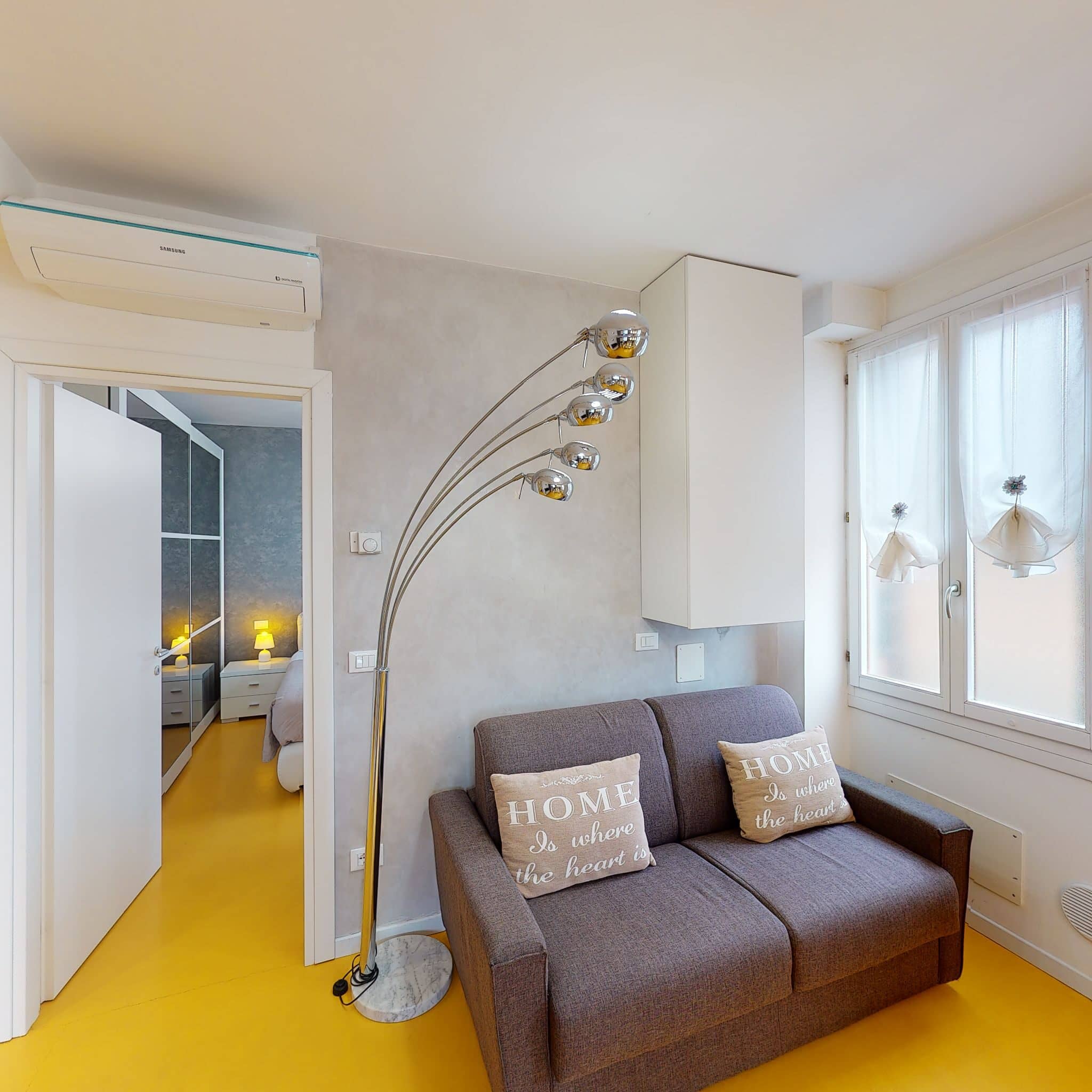
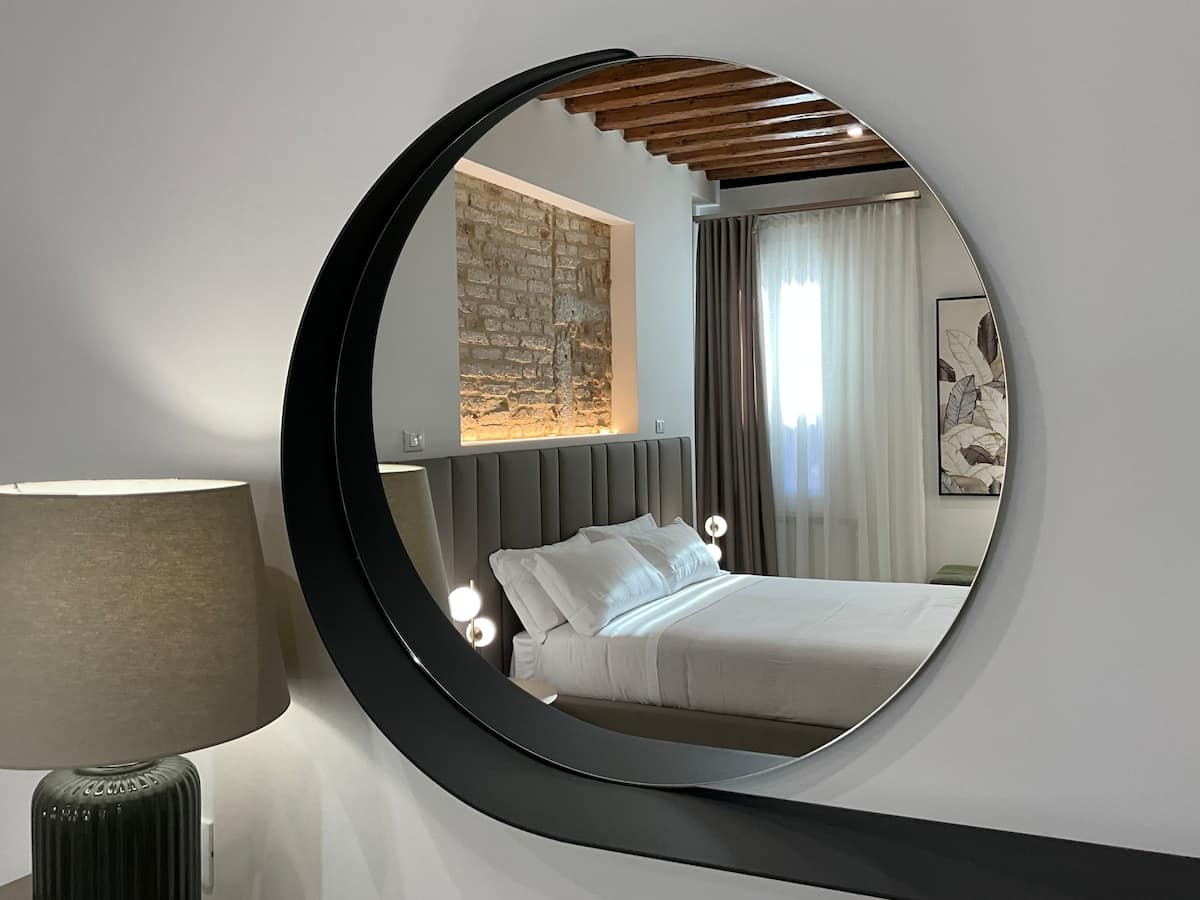
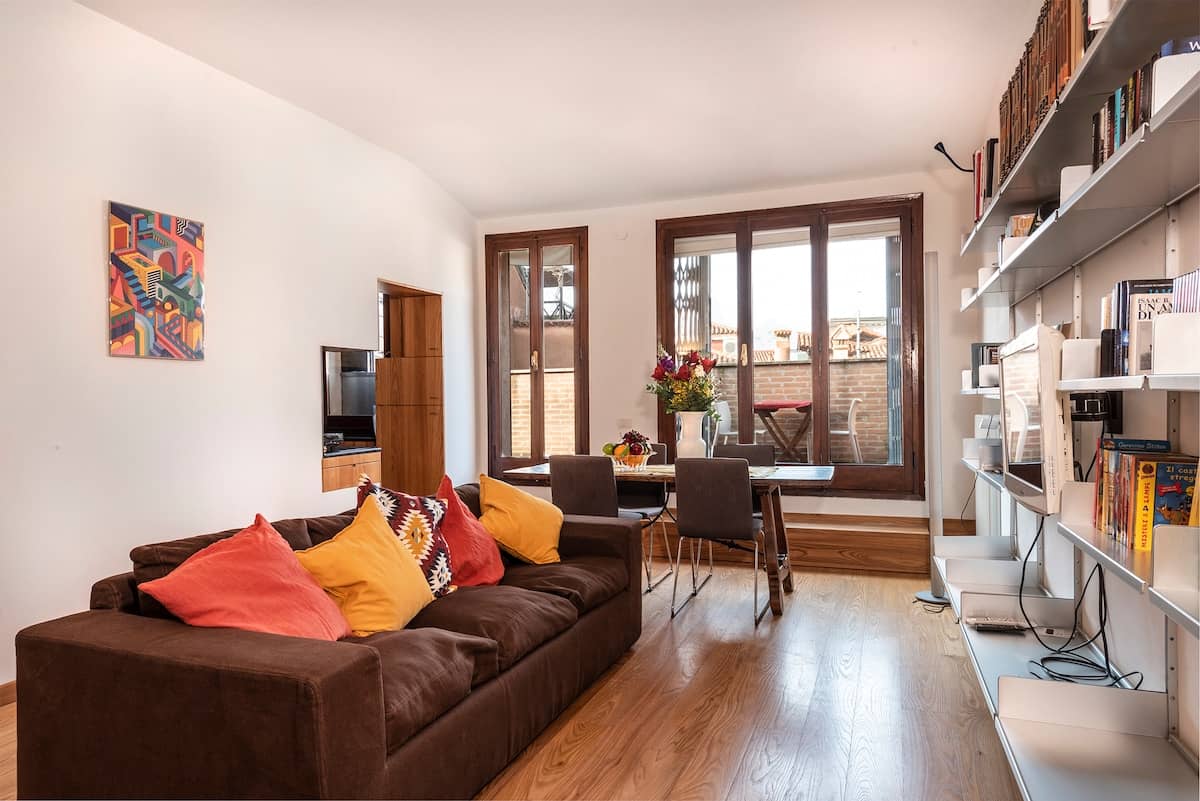
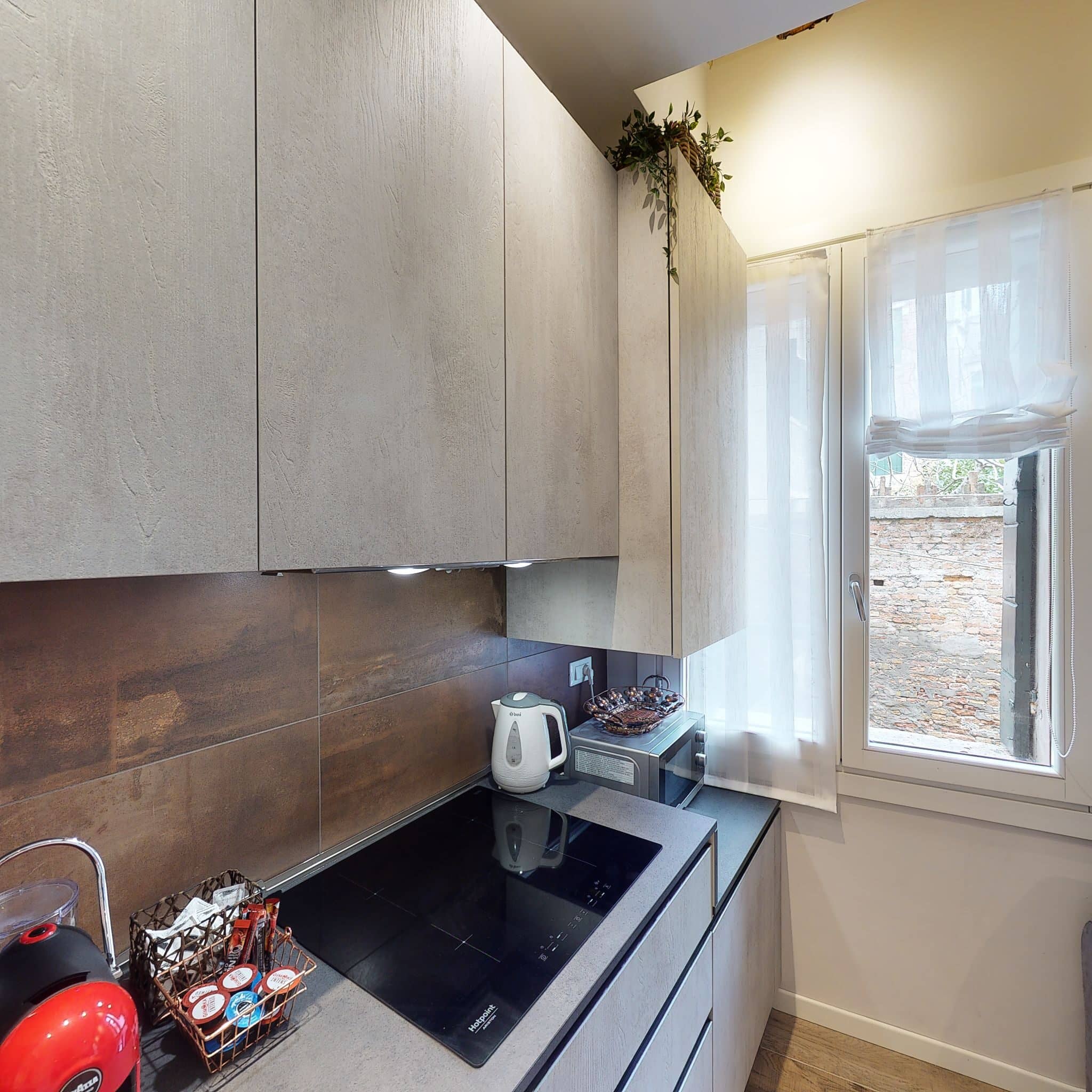
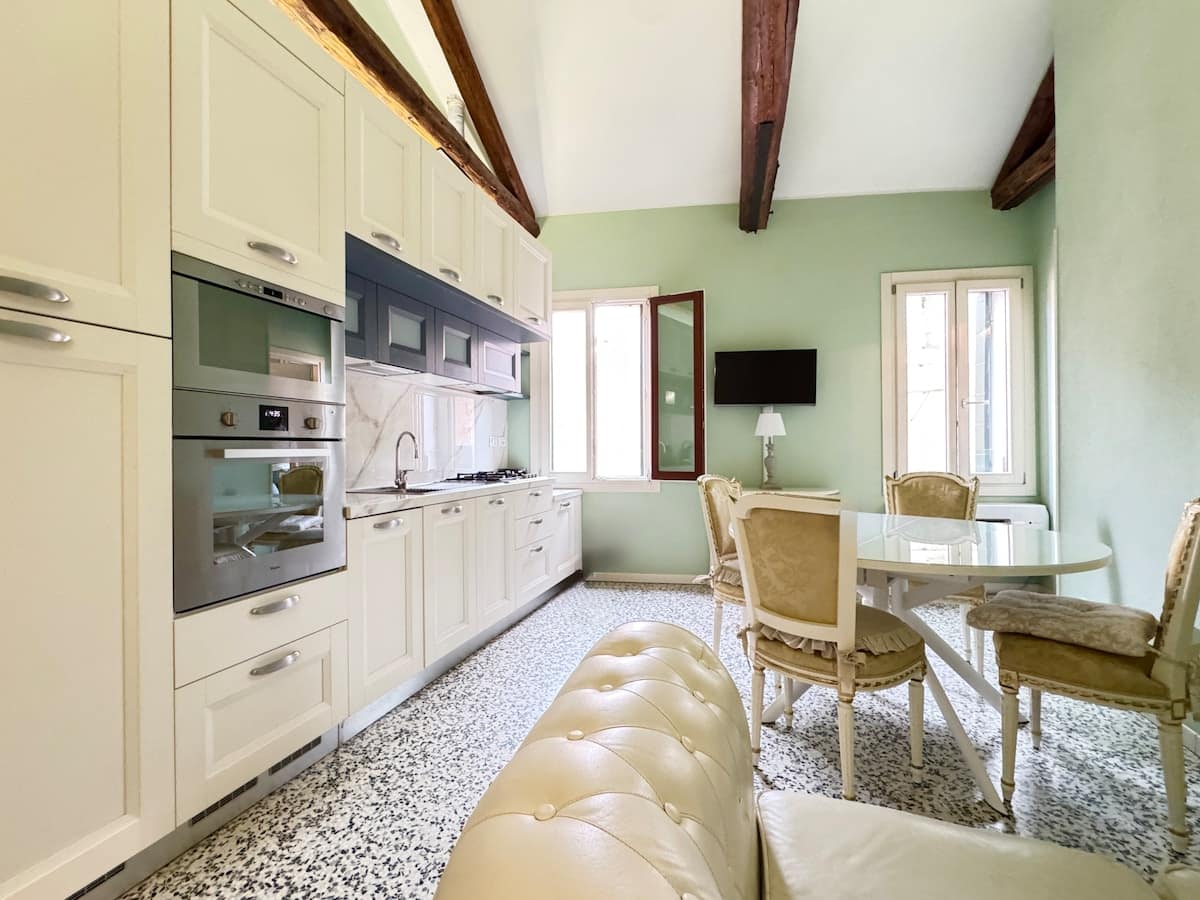
We host in both. If you are weighing an apartment against a hotel for a festival stay, the argument for the apartment is mostly about the hours: you are out until 02:00 and eating at times when hotel kitchens are shut. How renting works in the centre covers the floors, the lifts, and what to check before booking.
What the Lido is the rest of the year
Worth knowing, because it explains the island’s odd character during the festival.
The Lido is 11 kilometres long and a few hundred metres wide, with Adriatic beaches on the seaward side and the lagoon on the other. It has roads and cars, which no other part of central Venice does. Its grand hotels, the Excelsior and the Des Bains, were built for a turn-of-the-century sea-bathing clientele, and the Palazzo del Cinema was purpose-built for the festival in 1937.
For eleven days in September the island is a film capital. For the other 354 it is a quiet suburb with a beach, a 20-minute vaporetto from San Marco, and the place Venetians go to swim. Our note on the seasonal rhythm of the whole city is in Best Time to Visit Venice.
Practical notes
Book the accommodation before the tickets. Central Venice fills in the first fortnight of September for the festival and the Regata Storica in the same window. Tickets open in mid-August; rooms are gone well before that.
September is a good month independently. The heat has broken, the light is the best of the year, and the crowds are below the August peak. If you were choosing a time to see Venice anyway, this is one of the two best windows.
Allow travel time between rooms. The venues are close but the queues are real. Two films in adjacent slots in different rooms is optimistic; three in a day across the small rooms is comfortable.
The box office answers questions. biglietteria.cinema@labiennale.org, or 041 2726 624, Monday to Friday, 10:00 to 13:00 and 14:00 to 17:00.
Programme, section listings, and the public screening calendar are published on the official Biennale Cinema site. Dates, prices, and slots in this guide reflect the 83rd edition and are checked against the Biennale’s published information; confirm the current year’s figures before booking.